Best Fodder Crops for Dairy Animals: A Seasonal Planting Guide
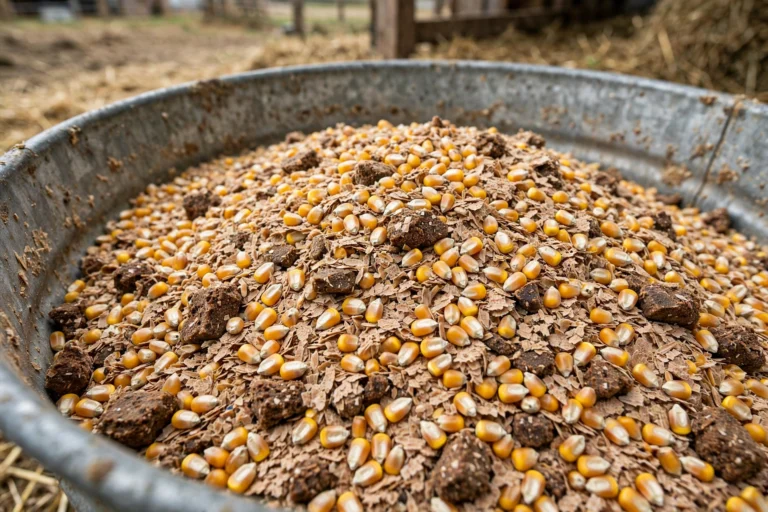
Ask any successful dairy farmer what his real secret is, and nine times out of ten it will not be the breed of his animals or the brand of his vanda. It will be fodder. “Mere paas saal bhar hara chara hota hai” — I have green fodder all year. That one sentence separates profitable dairies from struggling ones, because green fodder is the cheapest source of energy, protein, and vitamins an animal can get, and nothing you buy in a bag beats it on cost.
The trouble is that most farmers grow fodder the way their fathers did: one crop, one season, and then three months of dry wheat straw (toori) and expensive concentrate. A little planning changes everything. Here is the seasonal guide I give to farmers who want to break that cycle.
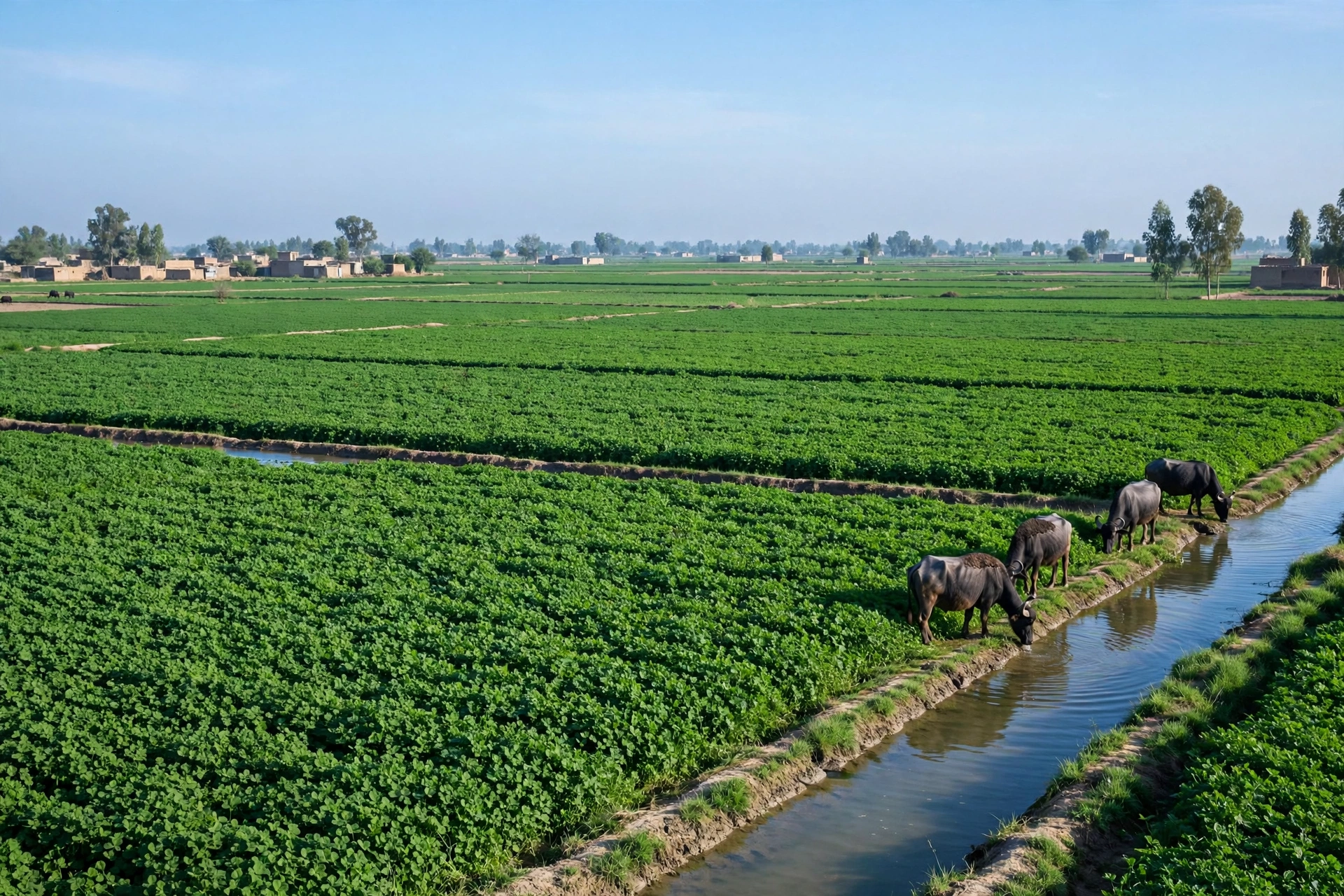
First, Understand the Two Fodder Seasons
In the plains of Punjab and Sindh, the year divides into two fodder seasons:
- Rabi (winter, sown October–November): berseem, lucerne, oats, barley. Cool-season crops, generally richer in protein.
- Kharif (summer, sown June–July with the monsoon): maize, sorghum (jowar), pearl millet (bajra), cowpea. Fast-growing, high bulk, but lower protein.
A farm that plants both seasons never faces a total fodder gap. The gap usually appears in May–June (between rabi harvest and kharif growth) and October (between kharif end and rabi establishment). Plan for those two windows and you are covered.
The Rabi Champions
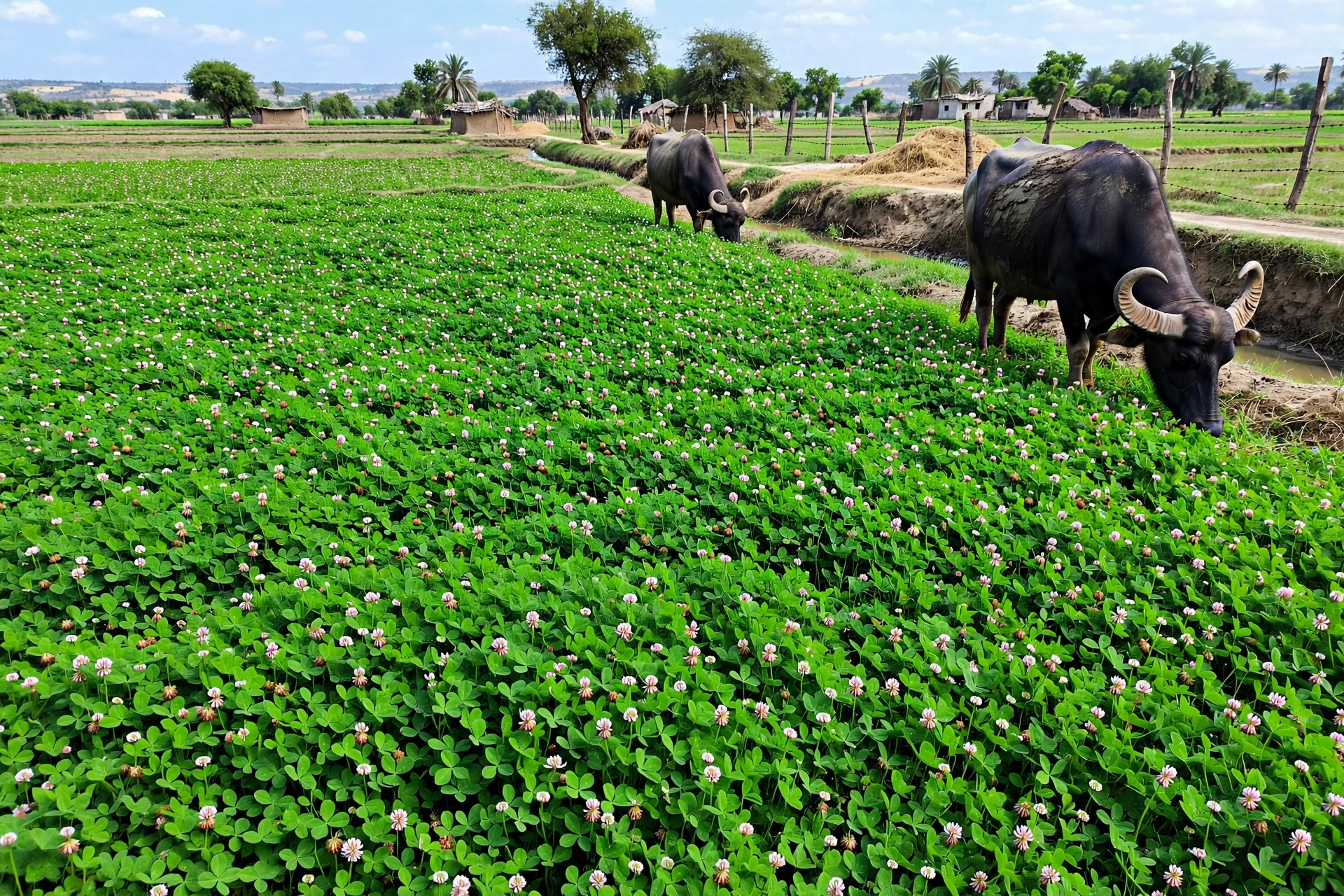
Berseem (Egyptian clover)
If I had to pick one fodder crop for a dairy farm, it would be berseem. It is a legume, which means it fixes nitrogen in the soil and carries 18–20% crude protein — roughly double that of most grasses. A well-managed acre gives 100–120 maunds of green fodder over the season, with 4–5 cuttings from December to April.
Sow in October at about 8–10 kg seed per acre, on well-prepared, levelled land. The first cutting comes 50–60 days after sowing; after that, cut every 25–30 days. One practical tip: berseem can cause bloat if animals gorge on wet, dewy fodder first thing in the morning. Feed it mixed with some dry roughage, and never turn hungry animals onto a lush berseem field.
Lucerne (alfalfa)
Lucerne is the perennial option — sow once, harvest for 3–4 years. That alone makes it worth considering for any farmer short on labour. Protein content is excellent (16–20%), and it keeps producing through the hot months when berseem has finished.
Sow in October–November at 6–8 kg per acre. It needs well-drained soil; waterlogged fields kill it. Cut at 10% flowering stage for the best balance of yield and quality — cutting too late gives you stemmy, low-protein fodder. Expect 7–8 cuttings a year once established.
Oats
Oats are the reliable workhorse of winter fodder — less fussy than berseem, good on poorer soils, and excellent for making hay. Sow October–November at 30–40 kg per acre. Two to three cuttings are typical. Oat hay, made properly, is one of the best dry fodders you can store for the lean months.
The Kharif Workhorses
Maize (fodder)
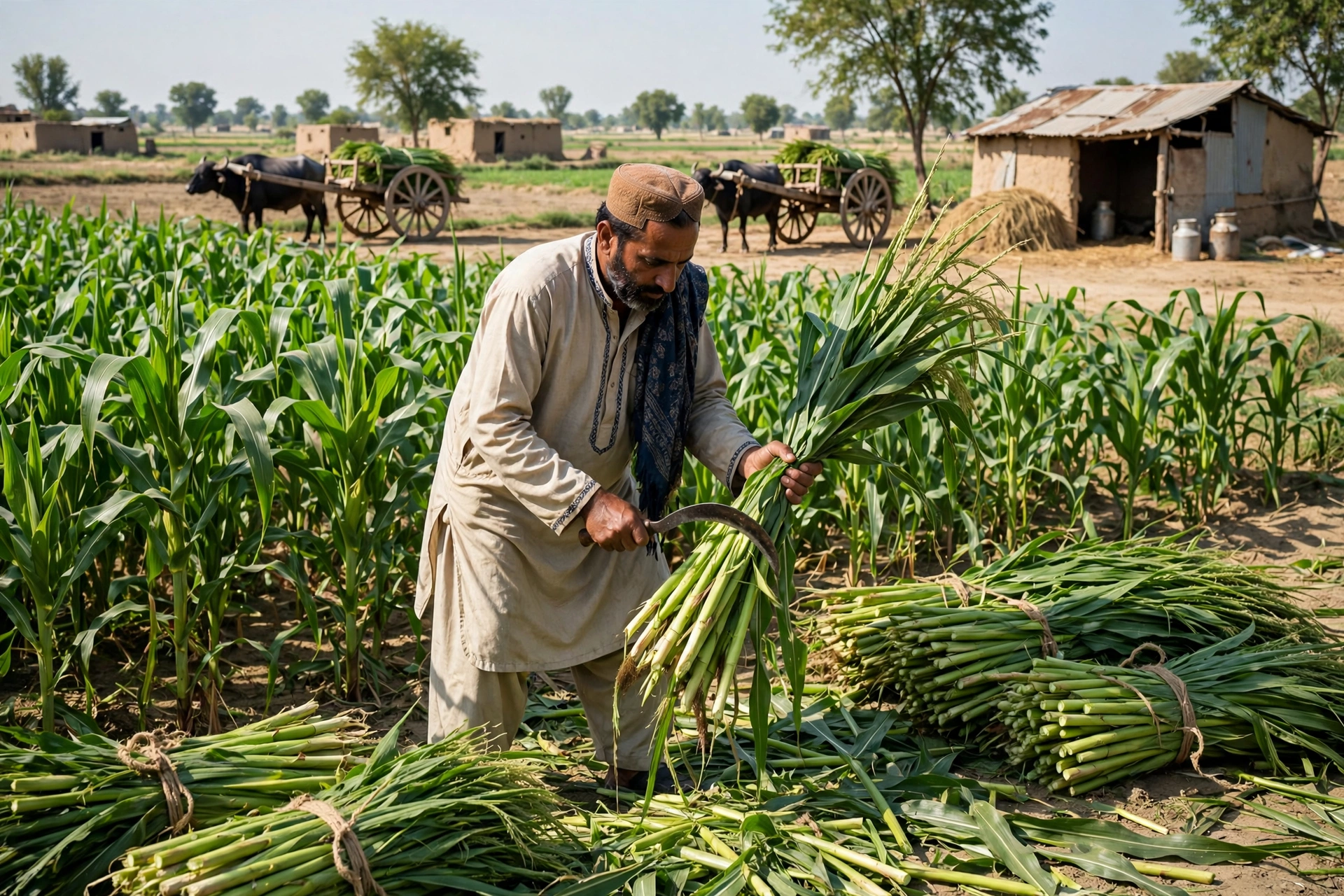
Fodder maize is the highest-yielding kharif option — a good acre can give 150–200 maunds in a single cutting, 50–60 days after sowing. Sow with the monsoon in June–July at 20–25 kg seed per acre. Cut at the 50% tasselling stage; earlier is too watery, later is too fibrous.
Here is something many farmers miss: maize is also the single best crop for silage, which I will come to shortly. If you can spare an acre, grow maize specifically for silage and your winter feed problem is half solved.
Sorghum (jowar)
Sorghum tolerates heat and poor soils better than maize, which makes it the safer choice on marginal land. Sow June–July at 12–15 kg per acre, and take 2–3 cuttings. One serious warning: young sorghum regrowth after cutting, especially drought-stressed, can contain prussic acid (dhurrin), which is poisonous. Never graze or feed sorghum shorter than knee height, and never feed it immediately after a drought-breaking rain. This one rule saves lives.
Pearl Millet (bajra)
Bajra is the toughest of the lot — it grows where almost nothing else will, on sandy soils with little water. Lower yielding than maize or sorghum, but it keeps producing in the harshest heat of July–August. Sow at 8–10 kg per acre. Like sorghum, respect the prussic acid caution with very young growth.
The Perennial Powerhouse: Hybrid Napier Grass
If you have even half an acre to spare permanently, plant hybrid napier (varieties like CO-4 or CO-5). This is a cut-and-carry grass that yields an astonishing 200–250 tonnes per hectare per year under irrigation — nothing else comes close. Plant root slips or stem cuttings in February–March or with the monsoon, and start cutting 75–90 days later. After that, cut every 35–45 days at about one metre height.
Napier is the backbone of year-round green fodder on many commercial dairies I visit. Its only real demands are regular irrigation, nitrogen fertilizer after each cutting, and cutting on time — let it grow too tall and it turns woody and unpalatable.
Your Year-Round Fodder Calendar
Here is how a one-acre plan can look for a small dairy. Adjust for your land and herd size:
| Month | Main green fodder source |
|---|---|
| October | Last napier cuttings + kharif stover |
| November–April | Berseem + oats (peak production) |
| May | Lucerne + napier (bridge the gap) |
| June–September | Maize, sorghum, bajra + napier |
| Year-round base | Napier grass cuttings |
The principle is overlap: never let one crop finish before the next one is ready to cut. Keep a small reserve — even a few days of stored hay or silage — for the inevitable bad week.
Silage Basics: Your Insurance Policy
Silage is simply green fodder preserved by fermentation, and it is the cheapest insurance a dairy farmer can buy. Here is the short version:
- Harvest maize at the dough stage (about 50% milk line in the grain) — roughly 65–70% moisture.
- Chop into 1–2 cm pieces. A chaff cutter works; a tractor-mounted chopper is faster.
- Fill a pit, trench, or even heavy plastic bags, compacting tightly layer by layer to squeeze out air. Air is the enemy — it causes spoilage instead of fermentation.
- Seal completely and leave for 40–45 days. Good silage smells pleasantly sour, like pickles, and is yellowish-green.
An acre of fodder maize makes roughly 15–20 tonnes of silage — enough to carry several animals through the lean months at a fraction of the cost of purchased feed. The first time I helped a farmer make silage, he called it “bank mein chara” — fodder in the bank. He was exactly right.
Frequently Asked Questions
How much land do I need for green fodder for five buffaloes? As a rough guide, one acre of well-managed berseem or napier supports 4–5 adult dairy animals year-round when combined with dry roughage and concentrate. Start with what you have and expand — even a quarter acre of napier changes the economics.
Can I feed only green fodder and skip concentrate? For low yielders (under 5 litres), good legume fodder plus minerals can nearly suffice. For anything above that, no — the animal cannot physically eat enough green fodder to meet her energy needs, and milk yield will drop. Fodder reduces the concentrate bill; it does not eliminate it.
Which is better, berseem or lucerne? Berseem gives higher total seasonal yield and is easier to establish; lucerne is perennial and keeps producing in summer. Most well-run farms grow both — berseem for winter bulk, lucerne for the lean months.
My sorghum field was grazed by animals and two fell sick. What happened? Very likely prussic acid poisoning from young or drought-stressed regrowth — it acts fast, with laboured breathing and staggering. It is a genuine emergency: call your veterinarian immediately. Prevention is the knee-height rule and never feeding sorghum right after drought-breaking rain.
Walk through any village and you can tell which farmers plan their fodder and which do not — the difference shows in the animals’ ribs and the milk pail. You do not need more land than you have. You need a calendar, two seasons of crops, and ideally a pit of silage for the bad weeks. Get the green fodder right, and half your dairy problems quietly disappear.
Disclaimer: This article is for educational purposes only and is not a substitute for professional veterinary advice. Crop varieties, sowing dates, and yields vary with your region, soil, and water availability. Please consult your local veterinarian and agricultural extension officer for advice suited to your farm.